
Flood & sewage testing · Spokane
Flood & Sewage Testing
A space can look clean while contamination remains. SafeNest provides independent inspection and testing after water damage.
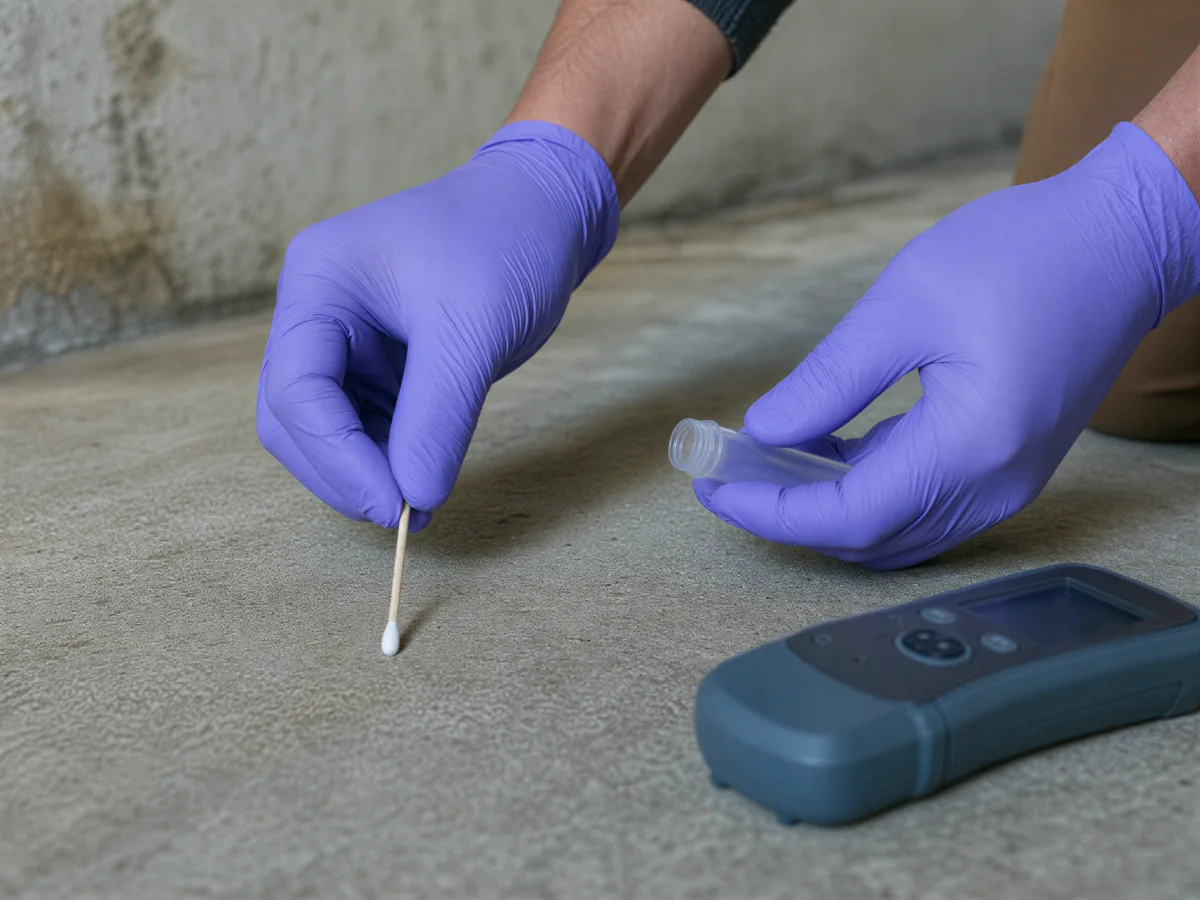
Why flood and sewage testing matters
A clean surface can still hold contamination.
Indicator bacteria can remain after the surface dries. SafeNest inspects the affected area and collects targeted samples. We use the results to check the cleanup.
A qualified contractor handles drying and decontamination. SafeNest documents the conditions and explains the findings.
- A sewage backup
- Floodwater from an unknown source
- Questions after cleanup
- A dispute about completed work
- A mold concern after prolonged moisture
The cleanup sequence
Four steps after contaminated water.
Control the source
Stop the release. Address electrical or structural hazards.
Dry and clean
A qualified contractor removes damaged material. The contractor then dries and cleans the space.
Inspect and test
SafeNest checks the defined areas. We collect indicator samples when they will help.
Review the evidence
SafeNest may recommend more cleaning or investigation.
Questions about flood and sewage testing
Common questions.
When should I call SafeNest?
Stop the water or sewage source first. Then call SafeNest. We can inspect before cleanup. We can also inspect and test after cleanup.
Should cleanup happen before testing?
A qualified contractor usually handles drying and cleaning. SafeNest can document the initial conditions first. We can then test the completed work.
What does sewage clearance testing measure?
The lab usually measures indicator organisms. One test cannot cover every possible pathogen. SafeNest reviews the source and cleanup history. We then choose the method.
Can a clean-looking surface still have contamination?
Yes. Drying can remove visible water. It does not prove that cleaning removed contamination. Lab results can answer that question.
Can flooding create a mold concern?
Yes. Wet materials can support mold growth. The drying time can point to a mold concern. SafeNest may include a mold inspection.
What records should I provide?
Share photos and the cleanup scope. Bring drying logs or contractor reports. These records help SafeNest plan the inspection and testing.
Request testing after water damage.
Tell us where the water came from. Describe the cleanup. Point out any areas that still concern you.